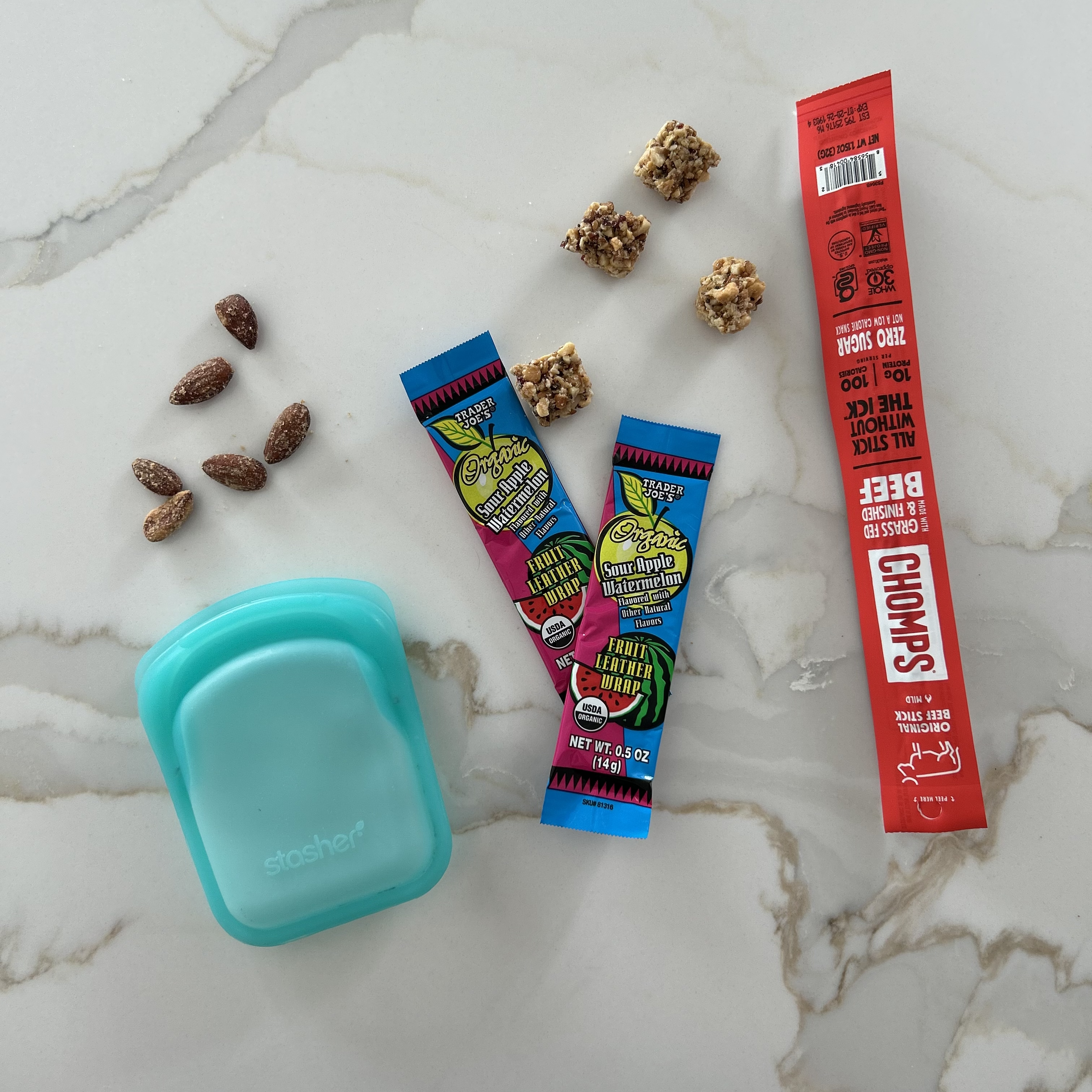
Fueling Your Holiday Shopping Season
The holiday season is officially here and with it comes long shopping days, packed schedules, and countless tempting treats around every corner! Between gift lists, travel plans, and festive events, it’s easy to let healthy eating slide. But a little preparation can keep your energy (and your mood) steady through the busiest time of year.
Don’t let your wellness goals take a holiday! Here are some simple and satisfying ways to stay fueled and balanced!
By: Audrey Miller MS, RD/LD
The holiday season is officially here and with it comes long shopping days, packed schedules, and countless tempting treats around every corner! Between gift lists, travel plans, and festive events, it’s easy to let healthy eating slide. But a little preparation can keep your energy (and your mood) steady through the busiest time of year. Don’t let your wellness goals take a holiday! Here are some simple and satisfying ways to stay fueled and balanced!
1. Pack Smart Snacks
When hunger strikes, it’s easy to make impulsive food choices—especially when you’re surrounded by drive-thrus and complimentary holiday sweets. Having non-perishable, nutrient-dense snacks on-hand helps you skip the sugar crash and stay on track.
Great grab-and-go options include:
Nuts and seeds: Almonds, walnuts, pistachios, sunflower seeds, or pumpkin seeds.
Dried or Freeze-dried fruit: Choose unsweetened varieties like apricots, cranberries, or raisins (pair with nuts for balance!).
Whole-grain snacks: Whole-grain crackers, popcorn, or oat-based snack bites
Bars: Look for those with minimal added sugar and at least 3g of fiber
Protein choices: Single-serve tuna packs, roasted chickpeas, edamame or jerky
RD Tip: Keep a small “snack kit” in your bag or car with shelf-stable favorites. You’ll save time, money, and unnecessary calories from impulse buys at the checkout counter.
As pictured, I love the small Stasher ‘Pocket Bags’ for snacks on-the-go!
2. Choose Wisely when Dining-Out
If you’re refueling mid-shopping spree, look for meals that provide protein, fiber, and color (hello, veggies!).
Better choices include:
Grilled chicken on salad with olive oil or light vinaigrette dressing
Burrito bowl with beans, rice, and veggies
Turkey or veggie wrap on whole grain or lettuce wrap
Soup and half-sandwich combo on whole-grain bread
RD Tip: Ask for dressing and sauces on the side—they often pack more calories than you think.
3. Hydrate Throughout the Day
Dehydration can feel like hunger, leading to extra snacks or sugary drinks you didn’t plan for. Keep a reusable water bottle with you, while you shop, and aim for 8–10 cups of water daily. Add lemon, cucumber, or mint for a flavor boost without added sugar.
4. Make Coffee Stops Work for You
A coffee break can quickly turn into a dessert if you’re not careful. Choose smarter sips:
Lattes with nonfat milk, almond, or soy milk
Skip whipped cream and flavored syrups (or ask for half pumps)
Pair your drink with a protein-rich bite, like oatmeal or an egg white bite, instead of pastries.
5. Plan Ahead for Post-Shopping Meals
After a full day of errands, it’s tempting to grab fast food on the way home. Avoid the drive-thru trap by keeping easy, ready-to-eat options stocked at home:
Rotisserie chicken with bagged salad
Veggie omelet with whole grain toast
Frozen shrimp stir-fry or veggie bowls
Pre-made soup with whole-grain crackers on the side
RD Tip: Start a crockpot meal before leaving the house!
This Season, Give Yourself the Gift of Balance
Healthy choices don’t have to be complicated or time-consuming, just intentional. A little planning helps you feel your best, keep energy levels stable, and truly enjoy the season.
I’m here to support your wellness goals through every busy season! For personalized nutrition strategies or meal ideas tailored to your lifestyle, we can create a plan, together. One that fits you so you can stay nourished, confident, and balanced all holiday long! To schedule online click here, or email me at audrey@evoramed.com.

The Ins and Outs of Nutrition: How to Have a Healthier Relationship with Food
Having a healthy relationship with food isn’t about rigid rules or moralizing what’s on your plate. It’s about ease, balance, and connection—with your body, your emotions, and your community. The truth? Building that relationship takes effort, but it isn’t impossible. In fact, it can start at any age. Here’s how we’re guiding both kids and adults at Evora toward more mindful, balanced eating habits in 2025.
Having a healthy relationship with food isn’t about rigid rules or moralizing what’s on your plate. It’s about ease, balance, and connection—with your body, your emotions, and your community. The truth? Building that relationship takes effort, but it isn’t impossible. In fact, it can start at any age. Here’s how we’re guiding both kids and adults at Evora toward more mindful, balanced eating habits in 2025.
For Kids: Start Small, Think Big
Nurturing a healthy relationship with food early on can shape how kids view eating for life. The key is to build a food environment based on curiosity, not control.
Skip the “Good vs. Bad” Labeling
Labeling foods as “good” or “bad” can create shame or confusion. Instead, talk about foods in terms of how they help us grow, fuel us, or give us energy. All foods can fit—some nourish the body, others nourish the soul.
Prep, Cook, and Eat Together
Getting kids involved in the kitchen creates positive, hands-on experiences with food. It’s a fun way to build skills and appreciation while reducing picky eating tendencies.
Rethink Rewards
Avoid using food as a reward (“you get dessert if you finish your veggies”) or as a punishment (“you were bad, so no treat”). This can distort how children associate emotions with eating.
You Model, They Mirror
Kids learn far more by what you do than what you say. Instead of lecturing them about food, demonstrate balance by showing how you enjoy veggies and still have dessert without guilt.
For Adults: Food Freedom Starts with Awareness
Many of us have inherited confusing or restrictive messages around food—whether from diet culture, childhood habits, or the pressure to “eat perfectly.” But there’s a better way to rebuild trust with our bodies and create a more peaceful relationship with food.
Practice “Relaxed Eating”
Relaxed eating encourages tuning into your body's natural hunger and fullness signals. This means eating when you’re hungry, stopping when you feel satisfied, and letting go of guilt or the need to “make up” for eating. It also recognizes the emotional and social roles that food plays—because eating isn’t just about fuel; it’s also about connection, comfort, and culture.
Choose Preference Over Position
Rigid food “rules” often create more stress than success. Rather than holding firm positions like “I never eat dessert” or “I must avoid carbs,” consider shifting toward preference—what feels right in the moment, based on your environment, needs, or mood. This makes space for flexibility, which is a key part of long-term well-being.
Redefine Balance
True balance doesn’t mean perfect portions or eating “clean” all the time—it means embracing variety without fear. In fact:
“In order to fulfill your body’s nutritional needs, you need to consume adequate portions of protein, fats, and carbohydrates. Some or all of these macronutrients are present in every food group, so there is no biological or chemical need to cut any group out (unless instructed by a doctor).”
“Everything in moderation” isn’t just a cliché—it’s a grounded approach to meeting your nutritional and emotional needs. This includes eating for both nourishment and pleasure.
Flexibility Is Key
A flexible approach to food allows you to adapt—whether you’re at home, out with friends, managing stress, or traveling. It helps you stay connected to your body’s needs rather than clinging to strict food ideals. Flexibility brings sustainability, and sustainability builds long-term health.
Relationships with Food Are Built Over Time
Whether you're helping a child build food confidence or unlearning old habits yourself, the goal is the same: creating a relationship with food that feels balanced, nourishing, and free of shame. At Evora, we believe that food should bring ease—not anxiety. By modeling calm, flexible, and inclusive eating habits, we set the stage for healthier generations to come—starting with ourselves.
Remember: it's not about being perfect. It's about being present, aware, and kind to yourself at every stage of the journey.Some concepts in this post were inspired by the National Eating Disorders Association. Learn more atnationaleatingdisorders.org.

Brainspotting: Find the calm in your body
Welcome to the world of brainspotting! An incredible opportunity for you to better get to know and understand your brain-body connection. Brainspotting offers a unique opportunity to explore your feelings both in your mind and the physical symptoms those emotions produce in your body.
Are you struggling with depression, anxiety, overwhelm, or chronic stress but you aren’t sure how to improve your mental health?
Welcome to the world of brainspotting! An incredible opportunity for you to better get to know and understand your brain-body connection. Brainspotting offers a unique opportunity to explore your feelings both in your mind and the physical symptoms those emotions produce in your body.
One technique the brainspotting process allows is for you to find the calm in your body by noticing where you feel most grounded. Maybe it is in your legs or even in your feet. We can then find a visual field across from you to pair a resource spot or a calm spot that you can look at as you process your story.
Collectively, you can then learn to rely on the grounded feelings in your body while sorting through the files in your brain that need to be reprocessed in a healthier way. This process allows you to navigate your journey and begin to release unwanted psychological and physical symptoms from the body. Each journey is different, but brainspotting can jumpstart the healing process while helping clear excess emotions and pain that you have been carrying for some time as it can get stuck in the body.
Positive outcomes that have been observed at Evora have been beginning to recognize the activation and the calm in your body, experience a realization about what to do next in your story or how you can pivot to promote a positive outcome, begin to release heavy feelings that have been weighing on you for extended periods of time, become more comfortable addressing your mental health needs while finding solutions, and creating a safe and trusting space to work through some of life’s most challenging moments.
The most critical component of the brainspotting opportunity is the relationship and specifically the attunement between the client and the therapist. This important space promotes safety and connection to best be able to access these files in our memories that can at times negatively impact our mental health. I welcome you to explore this opportunity more through a free 15-minute consultation with Amanda Ratz to best be able to support your mental health. Wishing you well as you continue to live your best and healthiest life all around!
In partnership,
Amanda Ratz, LPC

Breathe Easy: How Acupuncture Can Help with Seasonal Allergies & Colds Naturally
Sniffling, sneezing, congestion, itchy eyes—whether it’s spring pollen or a surprise cold, this time of year can feel like an endless cycle of tissues and discomfort. If you're tired of reaching for over-the-counter meds that leave you drowsy or just don’t seem to help, you’re not alone.
Sniffling, sneezing, congestion, itchy eyes—whether it’s spring pollen or a surprise cold, this time of year can feel like an endless cycle of tissues and discomfort. If you're tired of reaching for over-the-counter meds that leave you drowsy or just don’t seem to help, you’re not alone.
Acupuncture offers a natural, drug-free way to support your immune system, relieve symptoms, and help you breathe easier—literally.
The Body’s Natural Defense System
Our immune system is designed to protect us from outside invaders like allergens and viruses. But when it’s overworked, under-supported, or out of balance, it can either underperform (hello, frequent colds) or overreact (looking at you, seasonal allergies).
That’s where acupuncture comes in.
How Acupuncture Helps with Allergies and Colds
Acupuncture works by restoring balance in the body and supporting the immune system, so it can function the way it’s meant to.
Opens Up the Airways
Specific acupuncture points can reduce sinus inflammation, relieve nasal congestion, and help you breathe more clearly—without the foggy side effects of decongestants or antihistamines.
Strengthens the Immune System
Acupuncture helps regulate immune function, making your body more efficient at fighting off viruses and less reactive to allergens like pollen, dust, or mold.
Reduces Inflammation
Inflammation is at the root of both colds and allergy symptoms. Acupuncture has anti-inflammatory effects that help calm the immune response and reduce symptoms like sore throat, sinus pressure, and itchy eyes.
Relieves Stress (Which Affects Immunity!)
Stress weakens the immune system and makes allergy symptoms worse. Acupuncture activates the body’s parasympathetic nervous system—the “rest and heal” state—helping reduce both stress and symptom severity.
What Conditions Can Acupuncture Help With?
Acupuncture can be helpful for a variety of cold- and allergy-related issues, including:
Seasonal allergies (hay fever)
Chronic sinusitis
Post-nasal drip
Sinus headaches or facial pressure
Sneezing, itchy eyes, nasal congestion
Recurring colds or respiratory infections
When to Start Acupuncture for Allergies
The best time to start acupuncture for seasonal allergies is before symptoms flare up—ideally a few weeks ahead of allergy season. But it can also help ease symptoms once they’ve started, especially when combined with good hydration, rest, and clean air.
Final Thoughts
If you're looking for a more natural, holistic way to tackle seasonal sniffles or boost your defenses against colds, acupuncture could be the missing piece. It’s safe, effective, and tailored to your body’s unique needs.
Let’s help you breathe easier this season—naturally.
Book your acupuncture session today and give your immune system the support it deserves.

Craving Control: How Acupuncture Can Help with Food Cravings & Support Weight Loss Naturally
Let’s be real—sticking to healthy eating habits is hard when cravings hit. Whether it’s sugar, salty snacks, or late-night munchies, those urges can feel overwhelming. But what if you could help calm those cravings naturally?
Acupuncture is a powerful, holistic tool that supports weight loss by addressing one of the biggest challenges: food cravings.
Let’s be real—sticking to healthy eating habits is hard when cravings hit. Whether it’s sugar, salty snacks, or late-night munchies, those urges can feel overwhelming. But what if you could help calm those cravings naturally?
Acupuncture is a powerful, holistic tool that supports weight loss by addressing one of the biggest challenges: food cravings.
Understanding Cravings: More Than Just Willpower
Cravings are often misunderstood. They’re not just about “lack of discipline”—they’re connected to hormonal imbalances, stress, emotional triggers, and even gut health.
Acupuncture works by targeting the root causes of those cravings—not just masking them.
How Acupuncture Helps with Cravings
Here’s how acupuncture can support your weight loss journey and help reduce unwanted food cravings:
Balances Hormones
Cravings are often tied to hormonal fluctuations, especially insulin, cortisol, and serotonin. Acupuncture helps regulate the endocrine system, keeping these hormones in check—leading to more stable energy and fewer "gotta-have-it-now" snack attacks.
Reduces Stress and Emotional Eating
Many people turn to food for comfort during stress or anxiety. Acupuncture is well-known for activating the parasympathetic nervous system, helping you shift into a calm, “rest and digest” state, instead of reaching for sugar to soothe emotions.
Supports Brain Chemistry
Specific acupuncture points can help regulate the hypothalamus (which controls hunger and satiety) and boost serotonin and dopamine—the feel-good chemicals that often trigger cravings when they’re low.
Improves Digestion & Metabolism
When your digestive system is functioning well, your body is more efficient at absorbing nutrients and managing blood sugar—both crucial for controlling appetite and reducing cravings.
Ear Acupuncture (Auriculotherapy) for Appetite Control
Ear acupuncture is especially effective for weight loss support. Tiny points on the ear correspond to appetite, metabolism, and emotional regulation. Many patients find that ear acupuncture helps curb intense cravings and support mindful eating.
Acupuncture Is Not a Quick Fix—But It’s a Powerful Ally
Acupuncture isn’t a magic solution or a replacement for healthy eating and movement—but it can be a game-changing support system. When combined with lifestyle changes, it helps rebalance the body so that change feels easier, not forced.
Final Thoughts
If you’re struggling with cravings, know that you’re not alone—and you don’t have to rely on willpower alone. Acupuncture offers a natural, non-restrictive way to support your body’s natural rhythm, reduce cravings, and bring your wellness goals within reach.
Curious if acupuncture is right for your weight loss journey? I’m here to help. Book a free 15 consultation and take the first step toward feeling more in control and more at ease—body and mind.
Written by Dr. Brian Sylve D.C., M.T.A.A.

Waxing Do’s & Don’ts: Your Guide to Smooth, Healthy Skin
Whether you’re a first-timer or a waxing regular, following the right prep and aftercare can make all the difference in your results. Here’s what you need to know before, during, and after your waxing appointment to keep your skin happy and smooth.
Whether you’re a first-timer or a waxing regular, following the right prep and aftercare can make all the difference in your results. Here’s what you need to know before, during, and after your waxing appointment to keep your skin happy and smooth.
Waxing Do’s
1. Do Exfoliate (Gently!) Before Your Appointment
Lightly exfoliating 24-48 hours before your wax helps remove dead skin and allows the wax to grip hair better, not skin. This means less pain, less breakage, and smoother results.
2. Do Let Your Hair Grow Out
Hair should be about 1/4 inch long (about the length of a grain of rice) for the wax to grip properly. I ask that you grow your hair out for at least 2 weeks before your first bikini/brazilian wax and at least a week for an underarm wax. Shaving right before an appointment won’t help!
3. Do Wear Loose, Comfortable Clothing to Your Appointment
Tight clothes can cause unnecessary irritation, especially after a bikini or Brazilian wax. Avoid lace underwear for a few days after your wax. Choose soft, breathable fabrics to give your skin space to calm down post-wax.
4. Do Communicate with Your Esthetician
Nervous? On your period? Sensitive skin? Let me know! I'm here to make your experience as smooth (literally and figuratively) as possible.
5. Do Follow Aftercare Instructions
I'll give you specific tips depending on the area waxed, but in general, keep the skin clean, moisturized, and protected for at least 24–48 hours.
Waxing Don’ts
1. Don’t Shave Between Appointments
Shaving disrupts your waxing schedule and can make your next wax more painful. Stick to your waxing routine for the best long-term results.
2. Don’t Sunbathe, Tan, or Hit the Sauna Pre- or Post-Wax
Heat and UV exposure can irritate freshly waxed skin or make you more sensitive beforehand. Give yourself at least 24 hours before or after any tanning or hot yoga sessions.
3. Don’t Apply Lotions, Oils, or Self-Tanner Right Before Your Wax
Products on your skin can interfere with the wax’s ability to adhere. Come in clean and dry—save the moisturizer and self tanner for after your wax.
4. Don’t Schedule a Big Event Right After a First Wax
If it’s your first time, give your skin a day or two to calm down just in case you have any redness or irritation. Pro tip: Try waxing at least a month ahead of your event to see how long if/any redness or irritation occurs.
5. Don’t Pick or Scratch if You’re Itchy Afterward
Some slight itching is normal as the skin heals, but scratching can lead to irritation or ingrown hairs. Use a soothing product recommended by your esthetician.
Final Tip: Waxing Gets Better With Consistency
The more consistent you are with waxing, the easier and less painful it becomes. Hair grows back finer, softer, and more sparse over time. Book your appointments every 4–6 weeks and do not shave in-between waxes for best results!
Have questions about prepping for your wax or aftercare? Send me an email (lindsey@evoramed.com) or ask at your next appointment—I’m here to help!